


Thinking About Contact Lenses? Here’s What to Expect
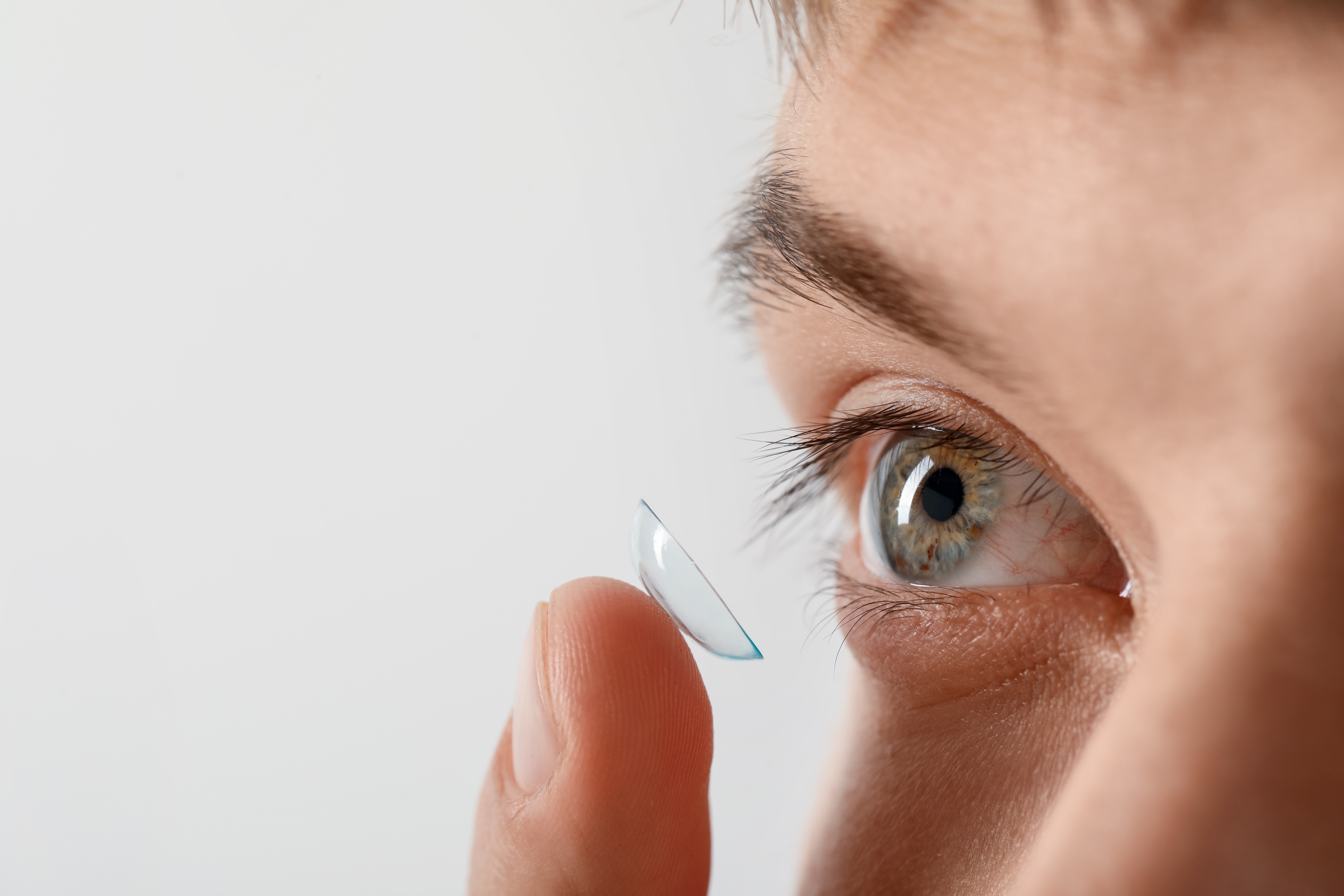
If you’re frustrated by glasses fogging up or getting in your way, contact lenses might be a welcome change. They move with your eyes and let you see more. But switching to contacts means picking up a few new habits. Here’s what you need to know.
What Are Contact Lenses?
Contact lenses are thin lenses that rest on your eye and help you see more clearly. They can correct nearsightedness, farsightedness, and astigmatism. Since they are medical devices, you’ll need a prescription, a proper fitting, and regular care.
Types of Contact Lenses
- Soft contact lenses are very common. They’re comfortable, and most people adjust to them within a few days.
- Rigid gas permeable lenses are firmer and can provide sharper vision for some people, but they often take longer to get used to.
- You use daily disposable lenses only once, and then you throw them away. You don’t have to clean them or use a case.
- Reusable lenses need to be cleaned and stored overnight. You can wear them for a week, two weeks, or a month, depending on your doctor’s recommendations.
- Extended-wear lenses are approved for overnight use, but please do not sleep with them on. Doing so can increase your risk of infection. Be sure to talk to your doctor first.
- Toric lenses are made for people with astigmatism.
- Multifocal lenses help you see both up close and far away.
- Scleral lenses are larger and rest on the white part of your eye. They’re often used for people with dry eyes or an irregular cornea.
Here’s What You Should Expect
It Takes Practice to Put Them In
It’s normal to blink when your fingers get close to your eye. Most people figure it out after a few tries.
- You May Feel Them at First
You might notice the lenses at first, but this feeling usually fades. If they hurt, take them out. They could be inside out or damaged.
- Blinking More Is Normal
Your eyes are simply adjusting to the lenses. Take your time and try to relax. Sometimes, opening your mouth a bit can make it easier to put them in.
- Dropping a Lens Happens
If a lens falls on a clean surface, rinse it with solution and try again. For daily disposables, your doctor may suggest throwing them away each day.
- Removing Lenses Should Not Hurt
If a lens feels stuck, use rewetting drops. Don’t force it out. Call your doctor if you need help.
- Lenses Cannot Get Lost Behind Your Eye
Your eye has a thin membrane that covers the white part of your eye and connects to your eyelid, so lenses can’t slip behind it.
- Cleaning and Care Take Routine
For reusable lenses, rub them with solution, and store them in a fresh solution. Remember to rinse them before wearing. Replace your case every three months. You don’t need to do this with daily disposables.
- Never Use Water on Your Lenses
Water can cause serious eye infections. Never rinse your lenses with water, and avoid swimming or showering when you’re wearing them.
- Follow the Replacement Schedule
Don’t wear daily disposables more than once, and don’t keep reusable lenses longer than your doctor says. You risk infection if you use them past their expiration date.
- Keep Glasses as a Backup
Having a pair of glasses as a backup is a great idea. Only make sure they are at your current prescription.
- When to Call Your Doctor
Call your doctor if you have pain, ongoing redness, sensitivity to light, sudden blurry vision, watery eyes, or any discharge.
To learn more about contact lenses, visit Spotlight Optometry. We’re located in San Diego, California. Call (858) 250-0052 to book an appointment.
https://my.clevelandclinic.org/health/articles/10737-contacts
https://www.acuvue.com/en-us/eye-health/getting-used-to-contacts/
All Eye
Care Services

Keep
In Touch

Hours of Operation
- Monday 9:00 AM - 5:00 PM
- Tuesday 9:00 AM - 5:00 PM
- Wednesday 10:00 AM - 6:00 PM
- Thursday Closed
- Friday 9:00 AM - 5:00 PM
- Saturday 9:00 AM - 1:00 PM
- Sunday CLOSED
© 2026 Spotlight Optometry. All rights Reserved. Accessibility Statement - Privacy Policy - Sitemap
Powered by:
